
Los Angeles is much bigger than its Hollywood image. In one trip, you can hike to a hilltop observatory, watch the sun set over the Pacific, tour a working film studio, and eat your way through a food hall that dates to 1917. The hard part is geography: attractions are spread across a huge area, and traffic can turn a short hop into a long drive.
This guide covers 25 of the best things to do in Los Angeles, grouped by area so you can plan realistic days. The selection is editorial, favoring landmarks, cultural value, variety, and practical usefulness. Details were last checked on October 20, 2026, but prices, schedules, and access change, so confirm them on official sites before you go.
Los Angeles Attractions at a Glance
Durations are planning estimates, not official timings, and exclude travel between stops. Cost shows admission only; parking and food are extra.
| Attraction | Area | Time | Cost |
|---|---|---|---|
| Hollywood Walk of Fame | Hollywood | 30–90 min | Free |
| Hollywood Sign viewpoints | Hollywood Hills | 1–3 hr | Free |
| TCL Chinese Theatre | Hollywood | 30–90 min | Exterior free |
| Runyon Canyon Park | Hollywood Hills | 1–3 hr | Free |
| Griffith Observatory | Griffith Park | 2–3 hr | Building free |
| Universal Studios Hollywood | Universal City | Most of a day | Paid |
| Warner Bros. Studio Tour | Burbank | About 3 hr | Paid |
| Hollywood Bowl | Hollywood Hills | 2–4 hr | Varies |
| Santa Monica Pier | Santa Monica | 1–3 hr | Free entry |
| Venice Beach Boardwalk | Venice | 1–2 hr | Free |
| Malibu Pier | Malibu | 30–90 min | Free entry |
| El Matador State Beach | Malibu | 1–2 hr | Parking fee |
| Getty Villa | Pacific Palisades | 2–4 hr | Free, reserve |
| Getty Center | Brentwood | 3–5 hr | Free, reserve |
| LACMA | Miracle Mile | 2–4 hr | Paid |
| The Huntington | San Marino | 3–5 hr | Paid |
| Academy Museum | Miracle Mile | 2–3 hr | Paid |
| California Science Center | Exposition Park | 2–4 hr | Mostly free |
| La Brea Tar Pits | Miracle Mile | 45–90 min | Check |
| Petersen Automotive Museum | Miracle Mile | 2–3 hr | Paid |
| Original Farmers Market | Fairfax | 1–2 hr | Free entry |
| Sunset Strip | West Hollywood | 1–3 hr | Venues vary |
| The Broad | Downtown | 1.5–2.5 hr | Free |
| Walt Disney Concert Hall | Downtown | 30–90 min | Exterior free |
| Grand Central Market | Downtown | 45–90 min | Free entry |
Hollywood and Griffith Park
1. Hollywood Walk of Fame
Stars line Hollywood Boulevard and Vine Street, making the Hollywood Walk of Fame an easy street-level introduction to entertainment history. Expect crowds, street performers, and packed sidewalks. Look up the stars you want beforehand, and watch your belongings. It pairs naturally with the TCL Chinese Theatre. Free. Allow 30–90 minutes.
2. Hollywood Sign Viewpoints
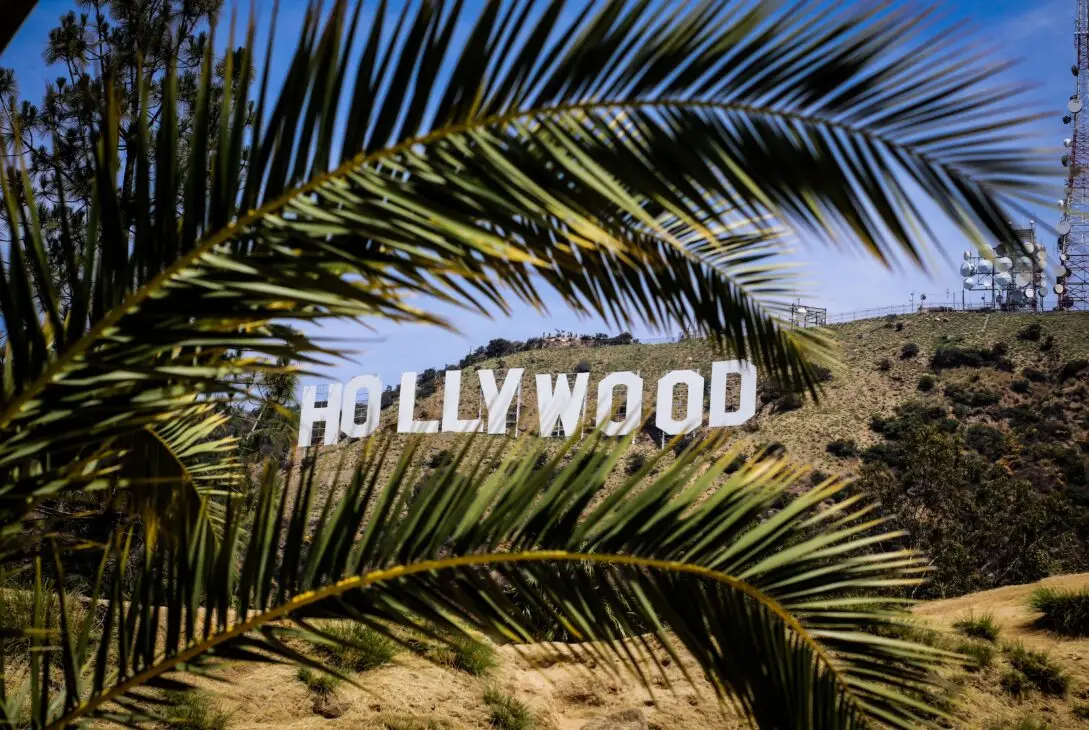
You don’t need to hike to enjoy the sign; official Hollywood Sign visit guide lists viewpoints that work well for photographs and are generally free, though parking may cost extra. Access to the sign itself is restricted, so stay on authorized trails, carry water, and check heat advisories. A viewpoint stop takes 30–60 minutes; a hike takes much longer. Choose a route that matches your fitness, since some trails are demanding in warm weather.
3. TCL Chinese Theatre
The TCL Chinese Theatre is known for its ornate architecture, and the handprints and footprints in the forecourt are the draw. The exterior costs nothing, while going inside means a film or tour, so check current schedules. Combine it with the Walk of Fame instead of making a separate trip. Allow 30–90 minutes for the exterior, longer for a screening.
4. Runyon Canyon Park
Runyon Canyon Park offers hillside trails with city views and a break from Hollywood’s commercial streets, though some climbs are steep. The city currently lists the park as open, but the West Trail as closed, and there are no public restrooms, so bring water. Free; allow one to three hours depending on route and pace, and consider going early on hot days.
5. Griffith Observatory
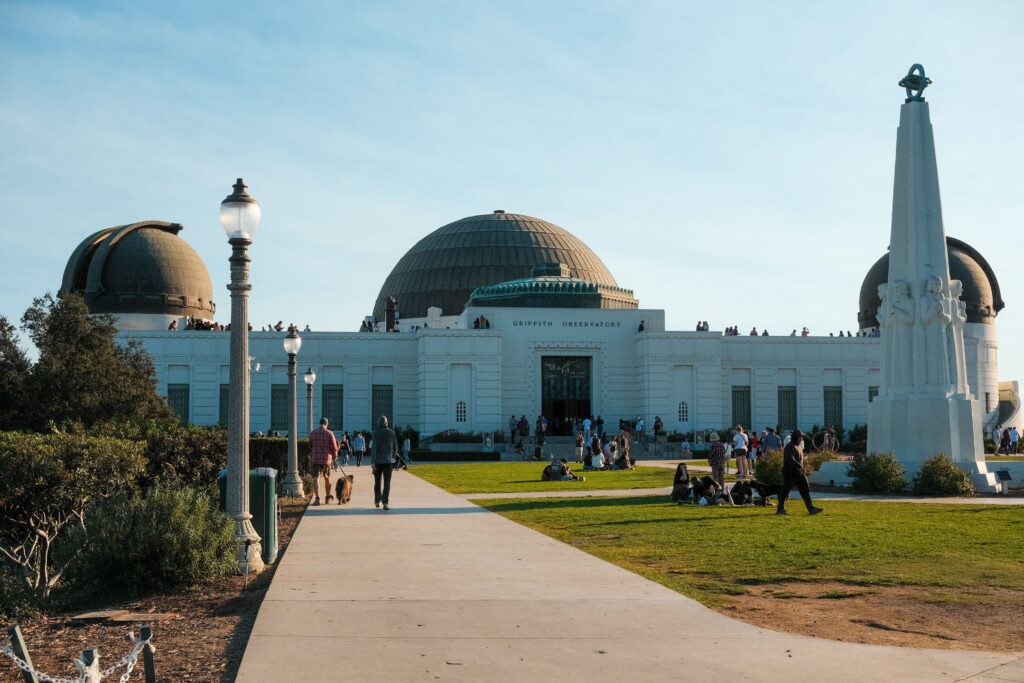
Griffith Observatory combines astronomy exhibits, public telescopes when conditions allow, planetarium shows, and views across Los Angeles and the Hollywood Sign. Admission to the building and grounds is free, but planetarium shows require paid tickets. It is generally open Tuesday through Sunday and closed Mondays. Check the current schedule and transportation guidance before you go. Sunset is especially busy.
Studio Tours and Live Entertainment
6. Universal Studios Hollywood
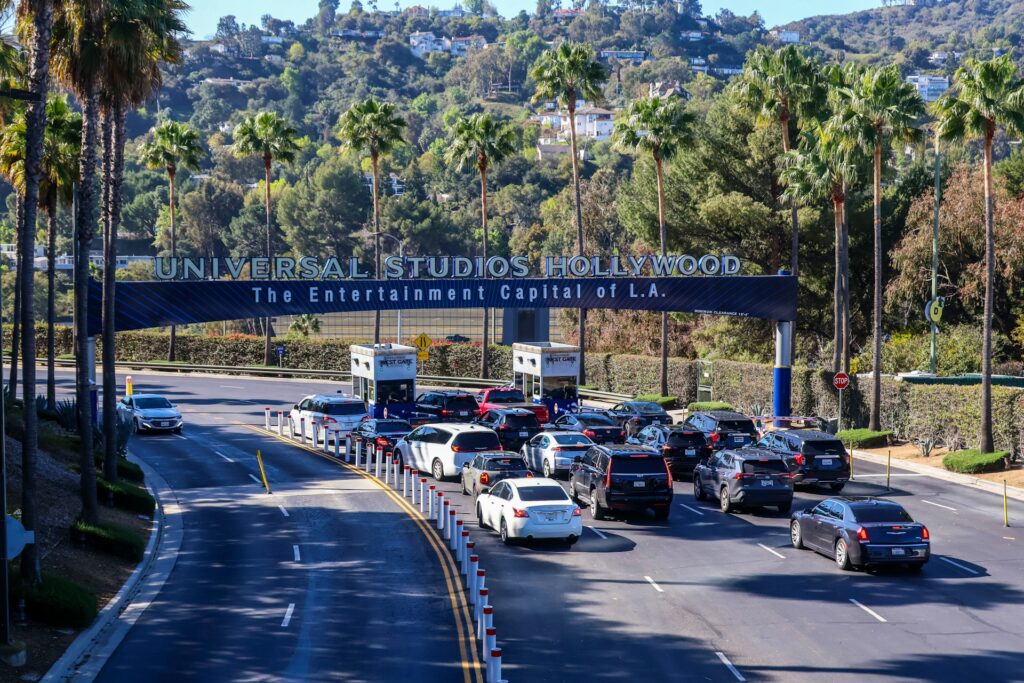
A theme park and Studio Tour in one, this is the most complete option for rides plus a behind-the-scenes look. Decide whether rides or the tour matter more, buy tickets in advance, and check hours, parking costs, and date-based pricing. Plan on most of a day, since queues and special events can extend the visit. It suits families and theme-park fans best.
7. Warner Bros. Studio Tour Hollywood
This Burbank tour focuses on production rather than rides, with sets, props, costumes, and soundstages depending on filming schedules. It suits film and television fans more than young children. Book ahead and confirm age restrictions. Allow about three hours for the standard tour, plus time for arrival and check-in; sets visited can vary from one tour to the next.
8. Hollywood Bowl
This outdoor amphitheater in the Hollywood Hills is visited through a ticketed performance, so choose a concert that fits your dates. Prices vary by event and seating. Allow time for arrival and departure, and review parking and transport policies. It works well for couples or friends planning an evening, and an event usually takes two to four hours.
Beaches and the Coast
9. Santa Monica Pier
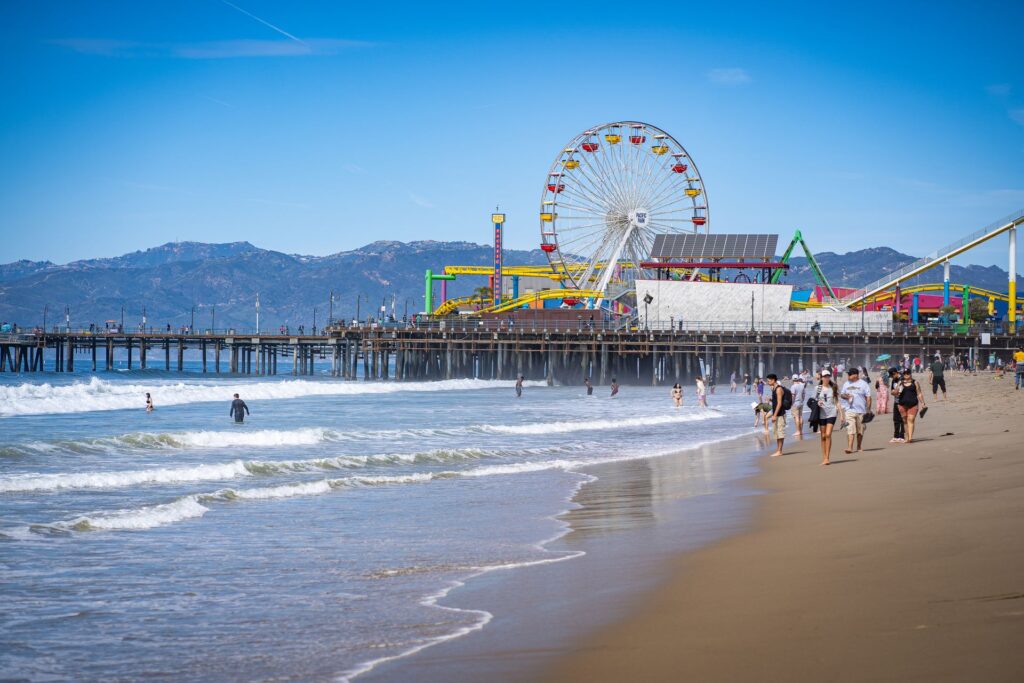
Ocean views, restaurants, and Pacific Park’s rides make this a relaxed outing. The pier is open daily from 6 a.m. to 10 p.m., though businesses keep their own hours. A bridge replacement project is expected to continue through the end of 2027; the pier stays open, but detours and delays are possible.
10. Venice Beach Boardwalk
Street performers, murals, shops, and beach culture reward wandering more than scheduled sightseeing. Weekends are busiest. Free to explore; check parking and beach conditions beforehand. One to two hours is enough for the boardwalk, longer if you plan to spend time on the sand.
11. Malibu Pier
A quieter stop than Santa Monica, suited to photographs and a break from Pacific Coast Highway driving. Access is generally free, while parking, dining, and shopping cost extra. Restaurants and shops set their own hours. Thirty to ninety minutes is usually enough, and it fits easily between other Malibu stops.
12. El Matador State Beach
Rocky shoreline and bluff-top viewpoints make this a favorite for landscape photography. Reaching the sand involves paths and stairs, which may not suit visitors with limited mobility. California State Parks lists vehicle day-use parking at $10, and the small lot can fill. Check tides and advisories, and avoid unstable rocks. Allow one to two hours.
13. Getty Villa
Ancient Greek and Roman art sits in a setting inspired by a Roman country house, surrounded by gardens. Admission is free but a timed-entry reservation is required, and parking is $25 ($15 after 3 p.m.). It’s open 10 a.m.–5 p.m., Wednesday through Monday. There is no street parking, and walk-in access is limited to visitors arriving by public bus. Allow two to four hours; it’s a good fit for history and architecture fans.
Museums and Culture
14. Getty Center
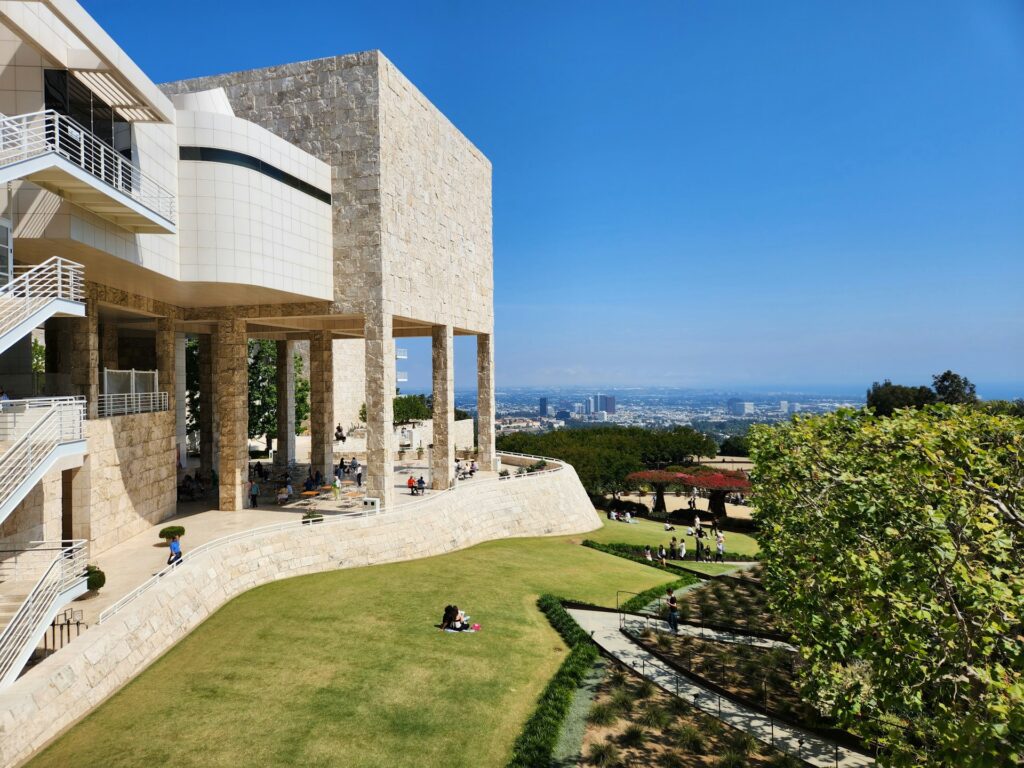
European art, architecture, gardens, and sweeping city views make this appealing even to casual museum visitors. Admission is free with a required timed reservation; parking is $25, with reduced rates later in the day. Important: Getty has announced the Center will close to the public from March 15, 2027, with reopening planned for spring 2028. Check the official notice for 2027 trips. Allow three to five hours, or less if you focus on selected galleries and the gardens.
15. LACMA
Art from many periods and cultures, plus outdoor installations, fills this campus. The David Geffen Galleries opened on April 19, 2026. Adult admission is listed at $30 for visitors outside Los Angeles County and $25 for county residents with ID; timed tickets are recommended. It’s closed Wednesdays, and the Metro D Line stops at Wilshire/Fairfax across the street. Plan two to four hours, longer for a detailed visit.
16. The Huntington
Located in San Marino, east of central Los Angeles, this combines large botanical gardens, art collections, and historic library holdings. The grounds are extensive, so pick your priorities, wear comfortable shoes, and treat it as a separate excursion. Admission is paid; check reservation rules. Allow three to five hours.
17. Academy Museum of Motion Pictures
Exhibitions, objects, and screenings explore cinema’s history and craft, offering a complement to a studio tour. Admission is paid. Review the exhibition and screening calendar and ticket availability before booking. Plan two to three hours, longer for a screening. It’s especially good for visitors who want to understand how films are made.
18. California Science Center
Interactive exhibits make this a strong choice for families, and permanent galleries are generally free. Space Shuttle Endeavour is the main draw. Don’t assume the planned Samuel Oschin Air and Space Center is open without checking, and note that special exhibitions may require paid tickets. Allow two to four hours; it sits in Exposition Park, away from the other museum clusters.
19. La Brea Tar Pits
This active Ice Age fossil site sits in the middle of the city. The indoor museum building is temporarily closed for construction, but outdoor areas of Hancock Park remain open, and an Insider Tour runs on selected dates. Check the tour calendar; the outdoor visit isn’t a substitute for the full museum. Allow 45–90 minutes outdoors, more if you join a tour. It suits families and fossil fans.
20. Petersen Automotive Museum
Automotive history, design, and engineering draw enthusiasts, and the displays interest anyone curious about industrial design. The Vault adds more vehicles and time, and may require a separate ticket option. It combines well with LACMA or the Academy Museum. Allow two to three hours for the main museum, and verify each venue’s hours and parking before linking visits.
Food and Nightlife
21. Original Farmers Market
At Third and Fairfax, casual restaurants, specialty shops, and food vendors make this a flexible meal stop. Entry is free; browse first and choose later. Vendor hours can differ from market hours. Allow one to two hours. It works well around the Miracle Mile museums, and no reservation is normally needed.
22. Sunset Strip
The Strip in West Hollywood is known for music venues, restaurants, and nightlife. It isn’t a single attraction, so pick a venue or show first and check age limits and ticket availability. Exploring the street is free. Allow one to three hours, depending on whether you’re sightseeing in daylight or attending an evening show.
Downtown Los Angeles
23. The Broad
This contemporary art museum offers free general admission, with timed tickets recommended; some exhibitions cost extra. It’s closed Mondays. The pedestrian bridge over Hope Street is currently closed, so follow posted directions from Grand Avenue Arts/Bunker Hill station. Allow 1.5 to 2.5 hours, and check hours before you go, as the schedule differs by day.
24. Walt Disney Concert Hall
Frank Gehry’s curved metallic building is worth seeing from the outside, and music lovers can plan around a Los Angeles Philharmonic concert. Performances require tickets. Check whether tours run on your date rather than assuming one will. Plan 30–90 minutes for the exterior or a tour, longer for a concert.
25. Grand Central Market
This historic food hall has operated since 1917 and works well for lunch between Downtown attractions. Entry is free, and varied stalls suit groups with different tastes. Vendor hours differ, so check a specific stall if it’s your reason for visiting. Allow 45–90 minutes. No reservation is normally needed.
Los Angeles Travel Tips
Plan by area. Group nearby attractions and check a live map before leaving. Rush hour and events can stretch travel times considerably.
Getting around. A car helps for Malibu and other coastal stops. Many central attractions work with Metro, buses, or rideshare. Compare the whole journey, including parking and transfers.
Free things to do in Los Angeles. The Walk of Fame, Hollywood Sign viewpoints, Runyon Canyon, Venice Beach, and Santa Monica Pier cost nothing to enter. The Getty Center, Getty Villa, The Broad, and Griffith Observatory’s building are free but may involve reservations or parking.
Reservations. The Getty sites require timed entry. LACMA, The Broad, Universal, and Warner Bros. are best booked ahead, and The Huntington has its own ticketing rules. Concerts at the Hollywood Bowl and Walt Disney Concert Hall need tickets for specific dates.
Outdoor conditions. For hikes and beaches, check heat advisories, trail notices, tides, and water-quality alerts. Older maps and reviews may not reflect current closures.
Budget. Free admission doesn’t mean a free day: parking, transport, food, and special exhibitions add up. Mixing free outings with one or two paid highlights keeps costs manageable.
Time. With one day, pick a single cluster. With three, try Hollywood, the coast, and museums or Downtown. Four to five days leaves room for a studio tour and The Huntington.
Accessibility. El Matador involves stairs, Runyon Canyon is uphill, and large museum campuses require walking. Check each venue’s accessibility page.
FAQ
How many days do you need in Los Angeles?
Three days gives a useful introduction if you focus on selected neighborhoods. Four to five adds flexibility.
Do you need a car?
Not always, but it’s more convenient for the coast.
Which attractions require reservations?
The Getty Center and Getty Villa require timed entry. Concerts, studio tours, and theme parks need dated tickets.
What are the best Los Angeles museums for a first visit?
LACMA and the Getty Center are the strongest all-round art options, while the Academy Museum suits film fans and the Petersen suits car enthusiasts.
Is Los Angeles expensive?
It can be. Pairing free attractions with one or two paid experiences keeps costs manageable.
Final Thoughts
The best Los Angeles trips balance a few priorities with the time and budget available. Pick two or three experiences that matter most, whether that is a studio tour, a coastal day, or a museum afternoon, cluster them geographically, and leave slack for traffic. That approach beats trying to cover everything.