

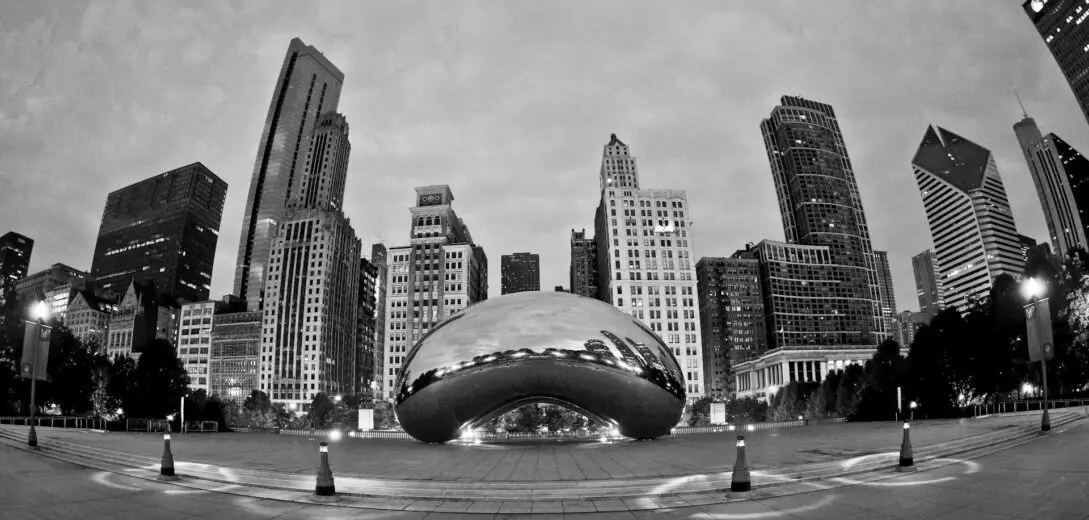
Chicago combines striking architecture, lakefront views, museums, public art, and a food scene worth exploring beyond downtown. For a first visit, prioritize Millennium Park, a Chicago River architecture cruise, one observation deck, and either a major museum or a neighborhood outing. Balance those paid experiences with free stops like Lincoln Park Zoo and the public spaces around Millennium Park.
The best things to do in Chicago depend on your interests, budget, travel dates, and available time. Plan around nearby attractions to spend less time commuting and more time exploring. This guide covers the main Chicago attractions, free activities, family-friendly choices, indoor options, and practical ways to organize your sightseeing.
Quick Guide: What Should You Do in Chicago?
- For first-time visitors: Start with Millennium Park and Cloud Gate, then consider an architecture cruise and one observation deck.
- For free sightseeing: Explore Millennium Park, visit Lincoln Park Zoo, and walk along the lakefront.
- For families: Compare Shedd Aquarium, the Field Museum, Adler Planetarium, and Lincoln Park Zoo by age suitability, schedule, and cost.
- For rainy days: Choose an indoor museum or check Garfield Park Conservatory’s visitor schedule.
- For easier planning: Group downtown attractions together and treat Museum Campus as a separate main outing.
Best Things to Do in Chicago for First-Time Visitors
1. Visit Millennium Park and See Cloud Gate
Millennium Park is a convenient starting point for Chicago sightseeing. Its public spaces and art make it worthwhile even if you have limited time or want to keep costs down.
The main photo stop is Cloud Gate, the polished stainless-steel sculpture commonly called “The Bean.” Walk around it to see the skyline reflected across its curved surface. You can explore the surrounding park and then visit the nearby Art Institute of Chicago if its schedule fits your day.
Best for: First-time visitors, photography, public art, and budget-conscious travelers.
Cost: Free general park access. Special-event restrictions may affect access to particular areas.
Official source: Millennium Park
2. Take a Chicago Architecture River Cruise
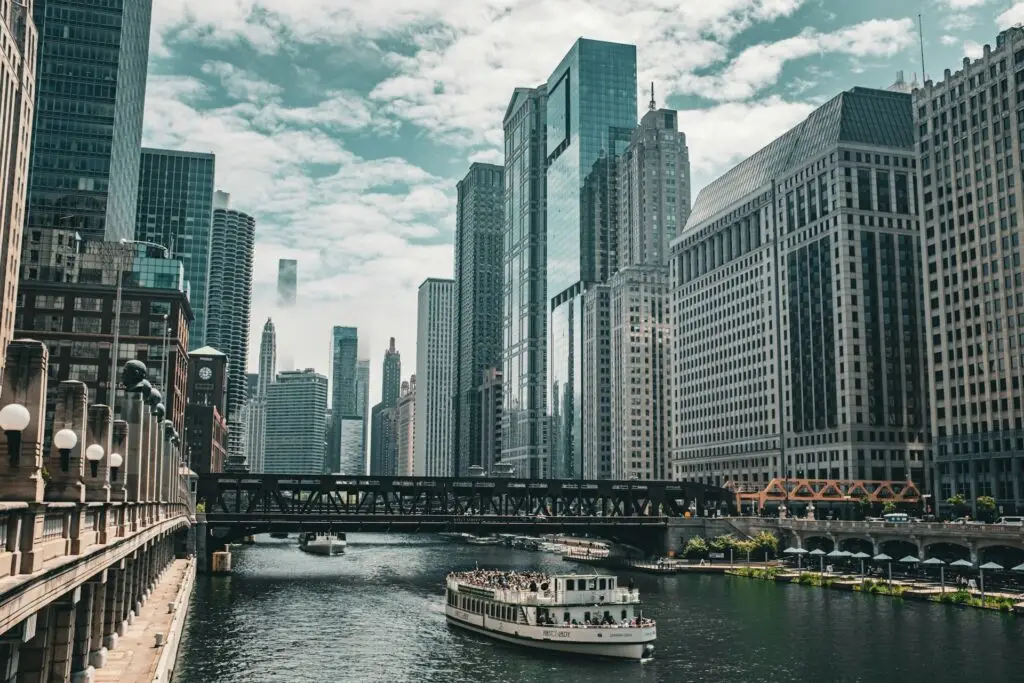
A river cruise offers a different perspective on Chicago’s buildings and explains how the city’s architecture developed. The Chicago Architecture Center’s cruise aboard First Lady lasts 90 minutes and is led by certified volunteer docents.
The route features well-known buildings and landmarks, including Willis Tower, the Wrigley Building, and Marina City. The cruise operates multiple times daily from March through November, according to the operator’s FAQ.
Best for: Architecture enthusiasts, photographers, couples, and first-time visitors.
Planning tip: Check the departure calendar, ticket price, and availability for your date before arranging the rest of your day around the cruise.
Official sources: Chicago Architecture Center River Cruise · River Cruise FAQ
3. Walk Along the Chicago Riverwalk
The Chicago Riverwalk is an easy addition to a downtown day. Walk beside the water, look up at the surrounding buildings, and stop for a break or meal along the route.
It works particularly well before or after an architecture cruise. Rather than treating it as a full-day attraction, use the Riverwalk to connect nearby downtown activities at a relaxed pace.
Best for: City views, walking, photography, and a flexible sightseeing break.
Official visitor guide: Choose Chicago — Chicago Riverwalk
4. Choose Between Skydeck Chicago and 360 CHICAGO
Both observation decks offer panoramic city views, but they suit slightly different plans.
Skydeck Chicago, inside Willis Tower, is known for The Ledge, a glass viewing box extending beyond the building’s facade. Choose it if that experience is a priority or if you are exploring the Loop.
360 CHICAGO, at 875 North Michigan Avenue, looks across the city and Lake Michigan. Its location makes it easier to combine with the Magnificent Mile.
You don’t need to visit both unless observation decks are a major interest. Compare the location, ticket price, time slot, and experience before choosing.
Published starting prices: Skydeck lists $32 for adults aged 12 and older and $22 for ages 3–11; children under 3 are free. 360 CHICAGO lists $27 for adults aged 12 and older and $19 for ages 3–11; children under 3 are free. Prices can vary by date or time.
Official sources: Skydeck visitor information and prices · 360 CHICAGO hours and pricing
5. Explore the Art Institute of Chicago
The Art Institute of Chicago is a major option for visitors interested in art and culture. Its collections cover different periods and artistic traditions, so it is worth choosing a few galleries or artists rather than trying to see everything in one visit.
The museum is close to Millennium Park, making the two easy to combine. Its published schedule lists Tuesday as a closure day, with hours varying on other days.
Best for: Art lovers, culture-focused travelers, and indoor sightseeing.
Official source: Art Institute admission calendar
6. Visit the Field Museum
The Field Museum focuses on natural history, with fossils, specimens, and exhibitions about the natural world. Its famous residents include SUE the T. rex and Máximo the Titanosaur.
General admission for visiting guests starts at $30. Special exhibitions and experiences may cost extra.
Best for: Dinosaur fans, families, and travelers interested in science and natural history.
Important: The museum’s Free Wednesdays offer is for eligible Illinois residents, not every visitor. Chicago residents also have a separate general-admission rate. Check the official ticket page for current eligibility and requirements.
Official source: Field Museum tickets and pricing
7. Explore Shedd Aquarium
Shedd Aquarium offers exhibits featuring aquatic animals and underwater environments. It is a strong choice for families and anyone interested in marine life.
Shedd uses date-dependent general-admission pricing for visitors from outside Chicago. Chicago residents have a separate published adult general-admission price of $19.95, subject to the aquarium’s residency requirements.
Best for: Families, marine-life enthusiasts, and indoor sightseeing.
Planning tip: Check the actual ticket price and available entry times for your date. Don’t use the Chicago-resident price when budgeting for a visitor from elsewhere.
Official sources: Shedd Aquarium tickets · Plan-ahead pricing FAQs
8. Discover the Adler Planetarium
The Adler Planetarium is a lakefront attraction for visitors curious about space and astronomy. Its exhibitions and additional experiences make it worth considering for families and science enthusiasts.
Best for: Space enthusiasts, families, and curious travelers.
Opening hours vary by day, and dome shows or other experiences may require additional tickets. Check the current schedule and admission options before visiting.
Official source: Adler Planetarium — Plan Your Visit
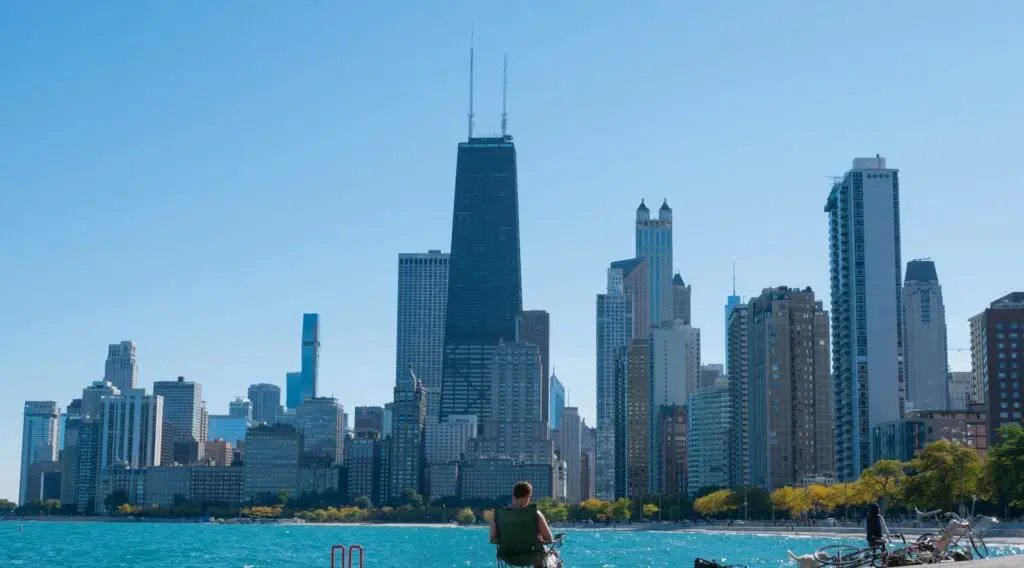
Navy Pier combines lakefront views with dining, entertainment, and seasonal attractions. The Centennial Wheel is a familiar landmark, while other activities depend on the season and operating schedule.
General entry to Navy Pier is free, but individual attractions charge separately. You can enjoy the public areas without buying a ticket for every activity.
Best for: Families, lakefront views, and casual sightseeing.
Planning tip: Check the official schedule for your dates. The Pier’s regular hours change seasonally, and some attractions have limited winter operations.
Official source: Navy Pier hours and admission
10. Explore the Magnificent Mile
The Magnificent Mile is a well-known shopping and visitor district along North Michigan Avenue. Browse the shops, find somewhere to eat, and enjoy the surrounding city architecture.
It pairs naturally with 360 CHICAGO because the observation deck is nearby. You generally don’t need to devote a full day to the district unless shopping is a main priority.
Best for: Shopping, dining, city walks, and visitors staying near downtown.
11. Try Chicago’s Deep-Dish Pizza and Local Food Scene
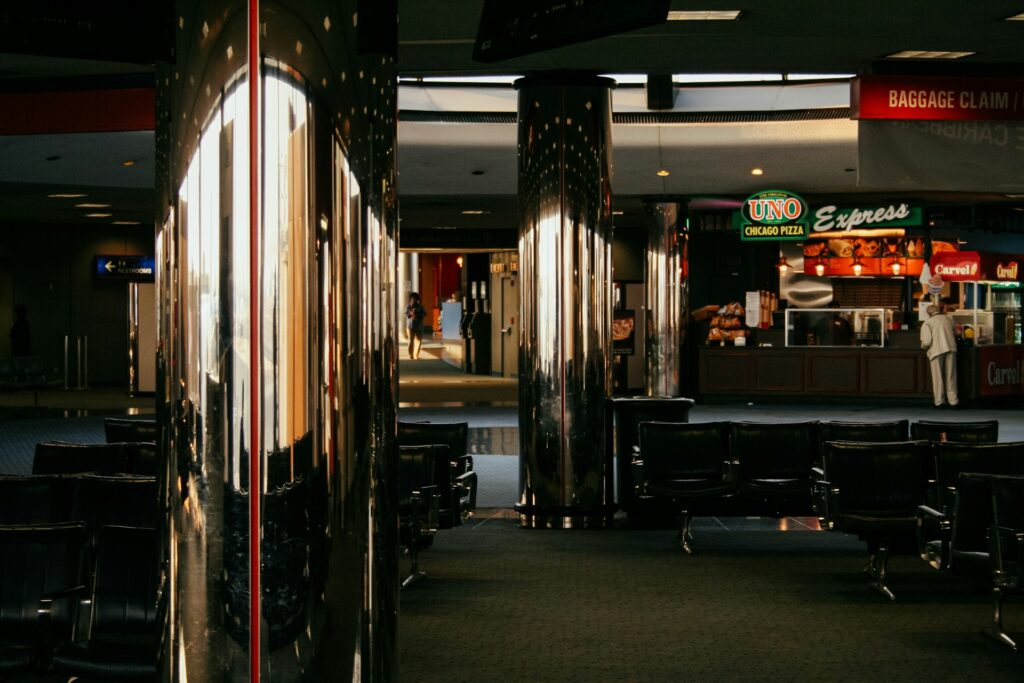
Deep-dish pizza is one of Chicago’s best-known foods, but the city has plenty more to explore. Neighborhood restaurants and international cuisines can add variety to a sightseeing trip.
Choose places based on their menu, location, current reviews, and reservation requirements rather than popularity alone. Planning meals near your other stops can also save travel time.
Best for: Food lovers and travelers who want to explore beyond major attractions.
12. Explore Chicago’s Neighborhoods
Chicago’s neighborhoods offer a different experience from the main downtown sights. Choose one or two based on your interests rather than trying to cover several distant areas in one day.
- Pilsen: Known for Mexican-American heritage, local businesses, and murals.
- Chinatown: A destination for Chinese restaurants, shops, and cultural exploration.
- Wicker Park and Logan Square: Areas to explore for dining and local businesses.
Best for: Returning visitors, food enthusiasts, and travelers interested in local culture.
Official visitor guide: Choose Chicago — Neighborhoods
Free Things to Do in Chicago
Free activities help balance the cost of museums, cruises, and observation decks.
- Lincoln Park Zoo: General admission is free, and standard entry does not require a reservation. The zoo is open year-round, but building hours and special schedules can vary. Check visitor information.
- Millennium Park: See Cloud Gate and explore the public spaces without paying a standard park admission fee. Check for special-event access restrictions.
- Chicago Cultural Center: Consider a visit for its cultural spaces and exhibitions. Check current visitor information before you go. Choose Chicago’s visitor guide.
- The lakefront: Walk along a section of the lakefront that fits your location, available time, and the weather. Check access conditions before setting out.
A practical budget strategy is to combine free activities with one or two paid experiences that matter most to you.
Indoor Activities in Chicago and Things to Do with Kids
Families often have the same planning question as visitors facing rain or cold: which attraction is worth prioritizing? Choose by age, interests, schedule, and ticket cost instead of trying to fit every venue into one day.
| If your priority is… | Consider | Why |
|---|---|---|
| Dinosaurs and natural history | Field Museum | Fossils and natural-history exhibitions |
| Marine life | Shedd Aquarium | Aquatic animals and indoor exhibits |
| Space and astronomy | Adler Planetarium | Space-focused exhibitions and experiences |
| Art and culture | Art Institute of Chicago | Broad art collections |
| Free outdoor family time | Lincoln Park Zoo | Free general admission |
| Lakefront entertainment | Navy Pier | Public areas and separate seasonal attractions |
| Indoor gardens | Garfield Park Conservatory | Gardens under glass and outdoor garden areas |
A Rainy-Day Alternative: Garfield Park Conservatory

Garfield Park Conservatory offers indoor gardens under glass, providing a change of pace from museums. Reservations are recommended to help guarantee entry.
The published schedule lists Monday and Tuesday as closure days. Current hours and entry arrangements can change, so confirm them before traveling. Chicago residents may qualify for admission at no charge under the conservatory’s residency requirements; don’t assume this applies to all visitors.
Official sources: Visitor FAQ · Visit and admission information
For an indoor evening, you can also consider a live performance or comedy show. Choose an event that fits your interests, and check its schedule and ticket price directly.
How to Plan Chicago Attractions by Area
Grouping attractions geographically reduces backtracking. These are suggested combinations, not fixed itineraries; confirm opening times before deciding the order.
- The Loop and downtown: Millennium Park, the Art Institute, and the Chicago Riverwalk. Add Skydeck if you want a skyline view and have time for its ticket slot.
- Museum Campus: Choose the Field Museum, Shedd Aquarium, or Adler Planetarium as your main attraction. Visiting all three can make for a demanding day, so add a second only if your time, budget, and interests allow.
- Magnificent Mile: Combine 360 CHICAGO with shopping and dining along North Michigan Avenue.
- Lincoln Park: Start with the zoo and add nearby outdoor exploration if the weather cooperates.
- Beyond downtown: Pick one neighborhood, such as Pilsen, Chinatown, Wicker Park, or Logan Square, and plan transportation before you go.
How Much Do Chicago Attractions Cost?
The prices below are published starting prices or standard entry information checked on October 28, 2026. They are not guaranteed totals for a particular visit.
| Attraction | Published admission information |
|---|---|
| Skydeck Chicago | Adults $32; ages 3–11 $22; under 3 free |
| 360 CHICAGO | Adults $27; ages 3–11 $19; under 3 free |
| Field Museum | Visiting guests start at $30 |
| Shedd Aquarium | Non-resident prices vary by date and time |
| Lincoln Park Zoo | Free general admission |
| Navy Pier | Free general entry; attractions cost extra |
Official pricing pages: Skydeck · 360 CHICAGO · Field Museum · Shedd Aquarium · Lincoln Park Zoo · Navy Pier
Ticket prices, taxes, special exhibitions, add-on experiences, and time-based pricing can affect your final cost. Check the official ticket page before booking.
Is a Chicago Attraction Pass Worth It?
A sightseeing pass can save money if you plan to visit enough included attractions, but it is not automatically the cheapest choice.
List the attractions you genuinely want to visit, add their current individual ticket prices, and compare that total with the pass price. Check which attractions are included, whether timed reservations are required, and how long the pass remains valid. Buy one only if the comparison works for your actual itinerary.
Frequently Asked Questions
What are the best things to do in Chicago for a first visit?
Start with Millennium Park and Cloud Gate, then choose an architecture cruise, one observation deck, or a major museum. Add the Riverwalk or a nearby neighborhood if you have time.
What are the best free things to do in Chicago?
Millennium Park, Lincoln Park Zoo, the public areas of Navy Pier, and a lakefront walk are useful free options. Some attractions inside free-entry venues charge separately.
What are the best things to do in Chicago with kids?
Consider Shedd Aquarium, the Field Museum, Adler Planetarium, Lincoln Park Zoo, and Navy Pier. Compare age suitability, admission prices, and schedules before choosing.
What can you do in Chicago when it rains?
The Art Institute, Field Museum, Shedd Aquarium, Adler Planetarium, and Garfield Park Conservatory are indoor options. Check their calendars and ticket availability before visiting.
How many days do you need to explore Chicago?
A weekend can cover several downtown highlights. Three days allows more room for a museum, lakefront activities, and a neighborhood visit, depending on your pace.
For a day-by-day plan, read our guide to 3 Days in Chicago: A Practical Itinerary for First-Time Visitors. To choose your travel dates, see Best Time to Visit Chicago: A Month-by-Month Guide.
Final Thoughts
A good Chicago trip balances iconic landmarks with activities that match your interests. Visit Millennium Park, see the city from the river or an observation deck, choose a museum that appeals to you, and leave time for food or neighborhood exploration.
You don’t need to see everything. Combine free activities with a few paid highlights, plan around nearby attractions, and confirm current prices, opening hours, and availability on official websites before you go.









[…] For additional attraction ideas and alternatives, explore our guide to the best things to do in Chicago. […]